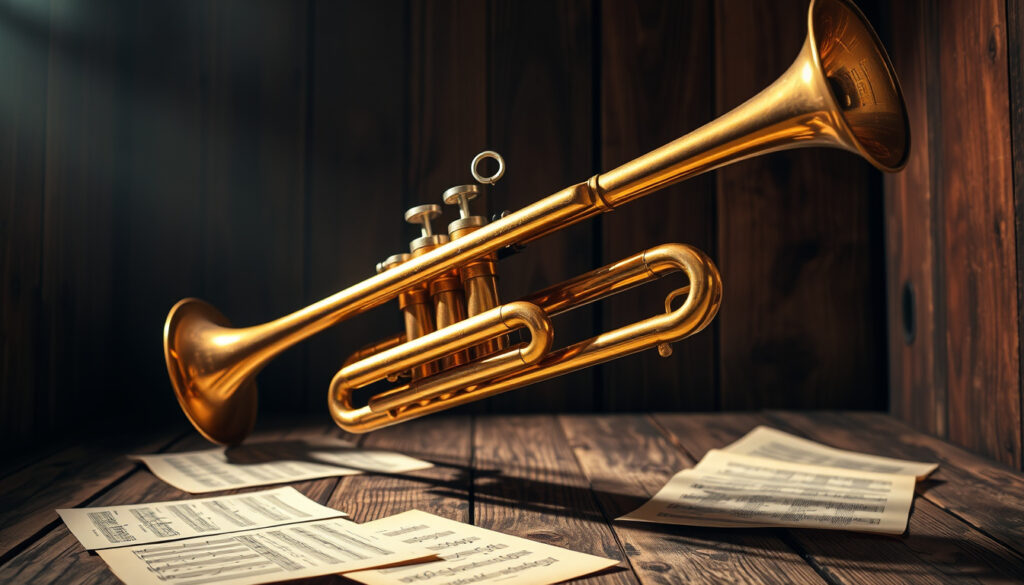
Louis Armstrong: Life, Music, and Legacy of a Jazz Icon
Most people know Louis Armstrong as the smiling trumpet player who sang “What a Wonderful World,” but the man behind the grin had a life full of sharp turns — from a childhood arrest that landed him in reform school to becoming a global jazz ambassador who performed 300 concerts a year. This article pulls together the key facts, contradictions, and lingering questions about the man called Satchmo.
Born: August 4, 1901, New Orleans, Louisiana ·
Died: July 6, 1971, Corona, New York ·
Age at death: 69 years ·
Nickname: Satchmo ·
Signature songs: What a Wonderful World, Hello Dolly ·
Primary instrument: Trumpet
Quick snapshot
- Born August 4, 1901 in New Orleans (Britannica (reference publisher))
- Arrested at age 11 for firing a pistol (U.S. National Archives (government archive))
- Died of a heart attack on July 6, 1971 (PBS American Masters (public broadcaster))
- Whether a medical condition caused his constant smile (no definitive diagnosis)
- Exact details of early childhood before age 11 (few official records)
- Precise extent of alcohol vs. marijuana use (self-reported but anecdotal)
- 1901: Born in New Orleans (Britannica (reference publisher))
- 1912: Arrested, sent to Colored Waif’s Home (U.S. National Archives (government archive))
- 1920s: Rises to fame with King Oliver and Hot Five (Louis Armstrong House Museum (institutional archive))
- 1964: “Hello Dolly” hits #1 (Louis Armstrong Foundation (charitable foundation))
- Louis Armstrong House Museum continues to preserve his legacy (Louis Armstrong House Museum (institutional archive))
- UNESCO recognition of his cultural impact (Louis Armstrong House Museum (institutional archive))
Seven key facts in a compact reference — one pattern: Armstrong’s life was marked by early hardship that transformed into musical opportunity.
| Label | Value |
|---|---|
| Full name | Louis Daniel Armstrong |
| Also known as | Satchmo |
| Born | August 4, 1901, New Orleans, Louisiana |
| Died | July 6, 1971, Corona, New York |
| Genres | Jazz, Dixieland, swing, vocal |
| Instruments | Trumpet, cornet, vocals |
| Years active | 1919–1971 |
What happened to Louis Armstrong at age 11?
Arrest and reform school
- On New Year’s Eve 1912, Armstrong was arrested for firing a blank pistol into the air during a celebration (U.S. National Archives (federal archive)).
- He was sent to the Colored Waif’s Home for Boys, a reform school that became the turning point of his life (PBS American Masters (public broadcaster)).
Musical training at the Colored Waif’s Home
- At the Waif’s Home, Armstrong studied under music teacher Peter Davis (PBS American Masters (public broadcaster)).
- He became leader of the home’s brass band, playing cornet — his first formal musical training (Louis Armstrong House Museum (institutional archive)).
- He was released in 1914 and began playing professionally around New Orleans (Louis Armstrong House Museum (institutional archive)).
A childhood arrest — the kind of event that could have derailed a life — instead handed Armstrong his first instrument and launched a 50-year career. For a Black child in 1912 New Orleans, the reform school system was rarely an opportunity. Armstrong made it one.
The implication: one impulsive act on a street corner in 1912 set in motion the chain of events that gave jazz its first great soloist.
What is Louis Armstrong most famous for?
Innovations as a trumpet soloist
- Armstrong pioneered solo improvisation in jazz, shifting the focus from ensemble playing to individual virtuosity (Britannica (reference publisher)).
- His 1928 recording of “West End Blues” is considered a landmark in jazz history, featuring a trumpet cadenza that changed how musicians thought about the instrument (Britannica (reference publisher)).
Signature recordings and songs
- “What a Wonderful World,” recorded in 1967, became his most widely recognized song — though it was not an immediate hit in the U.S. (U.S. National Archives (federal archive)).
- In 1964, “Hello Dolly” reached number one on the Billboard Hot 100, unseating The Beatles from the top spot (Louis Armstrong Foundation (charitable foundation)).
- He recorded hit songs for five decades, according to the Louis Armstrong Foundation (Louis Armstrong Foundation (charitable foundation)).
Influence on jazz and popular music
- Armstrong appeared in more than thirty films, including over twenty full-length features (Louis Armstrong Foundation (charitable foundation)).
- He performed an average of 300 concerts per year, earning the nickname “Ambassador Satch” (Louis Armstrong Foundation (charitable foundation)).
- Duke Ellington once said of Armstrong: “If anyone is Mr. Jazz, it’s Louis Armstrong” — a tribute from one titan to another.
Armstrong didn’t just play jazz differently — he redefined what a soloist could be. Before him, jazz was ensemble music. After him, the individual voice mattered as much as the collective. Every trumpet player since, from Miles Davis to Wynton Marsalis, works in the space Armstrong opened.
The pattern: Armstrong’s fame rests on a triple foundation — technical innovation that changed the instrument, recordings that became cultural touchstones, and a touring schedule that made him the most visible American musician of his era.
What disease did Louis Armstrong have?
Heart and kidney conditions
- Armstrong suffered from chronic nephritis (kidney disease) and heart problems diagnosed years before his death (Britannica (reference publisher)).
- His kidney disease contributed to his declining health in the late 1960s, though he continued performing.
Final illness and cause of death
- Armstrong died of a heart attack on July 6, 1971, at his home in Corona, Queens, New York (PBS American Masters (public broadcaster)).
- He was 69 years old at the time of his death.
The trade-off: Armstrong’s relentless touring schedule — 300 concerts a year for decades — may have exacerbated his underlying kidney condition. But it also made him the most heard musician of his generation.
Why did Louis Armstrong smile all the time?
Personality and stage persona
- Armstrong cultivated an upbeat stage presence that became his trademark (Britannica (reference publisher)).
- He referred to his smile as part of his “showmanship” and believed in entertaining audiences with joy rather than solemnity.
Medical explanation (possible lip issues)
- Some historians suggest he may have had untreated dental issues or used a smile to hide discomfort from his embouchure (the lip position required for trumpet playing).
- No definitive medical diagnosis has been confirmed linking his smile to a specific condition — the speculation remains just that.
The smile that charmed millions may have been a mask. Trumpet players know that constant pressure on the lips causes pain. If Armstrong smiled through that for 50 years, it wasn’t just showmanship — it was endurance.
The implication: Armstrong’s smile was both a genuine expression of joy and a practical tool for managing the physical demands of his craft.
Was Louis Armstrong a heavy drinker?
Marijuana use and alcohol consumption
- Armstrong was a regular user of marijuana, which he called “gage,” and wrote about it in his memoirs without apology (Louis Armstrong House Museum (institutional archive)).
- He was not a heavy drinker — he consumed wine and beer moderately and avoided hard liquor, which he criticized for damaging musicians’ health.
Impact on health and career
- His marijuana use was known among musicians and journalists but rarely reported in mainstream coverage during his lifetime.
- He believed marijuana helped him relax and maintain his demanding performance schedule.
The pattern: Armstrong’s approach to substances was pragmatic — he avoided the hard liquor that damaged many of his peers while openly using marijuana to manage the stress of his relentless schedule.
What happened when Louis Armstrong died?
Death at home in Corona, New York
- Armstrong died at his home in Corona, Queens, on July 6, 1971, surrounded by family (PBS American Masters (public broadcaster)).
- His wife Lucille was with him at the time of his death.
Funeral and public reaction
- His funeral was attended by thousands, including fellow musicians, dignitaries, and fans (Louis Armstrong Foundation (charitable foundation)).
- Flags were flown at half-mast in New Orleans, and television networks interrupted regular programming to announce his death.
Burial and legacy
- Armstrong was buried in Flushing Cemetery, Queens, New York.
- The Louis Armstrong House Museum in Corona, New York, preserves his home and archives, serving as the official repository of his legacy (Louis Armstrong House Museum (institutional archive)).
- He was posthumously inducted into the Grammy Hall of Fame and continues to influence musicians across genres.
“If anyone is Mr. Jazz, it’s Louis Armstrong.”
Duke Ellington, composer and bandleader
“I didn’t drink hard liquor. I seen too many musicians ruin themselves with it. I stuck to wine and beer and a little gage now and then.”
Louis Armstrong, in interviews and writings
“That arrest was the best thing that ever happened to me. They put me in the Waif’s Home and I got my first cornet. I never would have been a musician without it.”
Louis Armstrong, autobiographical writings
For readers exploring Louis Armstrong’s life, the implication is clear: a man who could have been defined by poverty, arrest, and illness instead used each as fuel for a career that reshaped American music. Armstrong’s conviction that joy was worth sharing, even when it hid pain, cemented his legacy as a musician who transformed hardship into art.
en.wikipedia.org, dailymotion.com, dippermouth.blogspot.com, youtube.com, amazon.com, amazon.com, kgumusic.com
Frequently asked questions
What is the meaning of Satchmo?
Satchmo is a nickname derived from “Satchel Mouth,” a reference to Armstrong’s large mouth and powerful trumpet embouchure. The nickname dates back to his early days in New Orleans.
How many albums did Louis Armstrong record?
Armstrong recorded hundreds of songs across five decades. Exact album counts vary by source, but the Louis Armstrong Foundation notes he recorded hit songs for five decades and left thousands of pages of memoirs and letters.
What was Louis Armstrong’s first hit song?
His first major hit was “Heebie Jeebies” (1926), which featured his signature scat singing — vocal improvisation using nonsense syllables that became a jazz hallmark.
Did Louis Armstrong write his own songs?
Armstrong co-wrote some songs but was primarily an interpreter and improviser. He wrote two autobiographies and thousands of letters but relied on composers for most of his recorded material.
Which instrument did Louis Armstrong play?
Armstrong played trumpet and cornet, with vocals as a secondary instrument. He is best known for his trumpet solos and distinctive gravelly singing voice.
Was Louis Armstrong ever married?
Yes, Armstrong was married four times: to Daisy Parker (1919-1923), Lil Hardin Armstrong (1924-1938), Alpha Smith (1938-1942), and Lucille Wilson (1942 until his death in 1971).
Where is Louis Armstrong buried?
Armstrong is buried in Flushing Cemetery, Queens, New York. His grave is marked with a simple headstone bearing his name.
How do you pronounce Satchmo?
Satchmo is pronounced “SATCH-moh” — with a short ‘a’ as in “catch” and a long ‘o’ as in “go.”
More related posts
 Milo Ventimiglia: Biography, Wife, Age & Career Info
 Selena Gomez: Lupus, Fertility, and Relationship Updates
 Leighton Meester Biography: Family, Career & FAQs
 Man’s Shoes: Style Rules, Top Brands, Gift Meanings & More
 Love Island Reunion 2025: Date, Time, How to Watch & More
 Esha Deol Divorce: Why She Split From Bharat Takhtani
 Lionel Messi 2025: Net Worth, Retirement, Goals & Full Bio
 Freddie Highmore: Facts and Myths About the Actor
