Best Piononos de Santa Fe Near Me – Top Bakeries and Tips
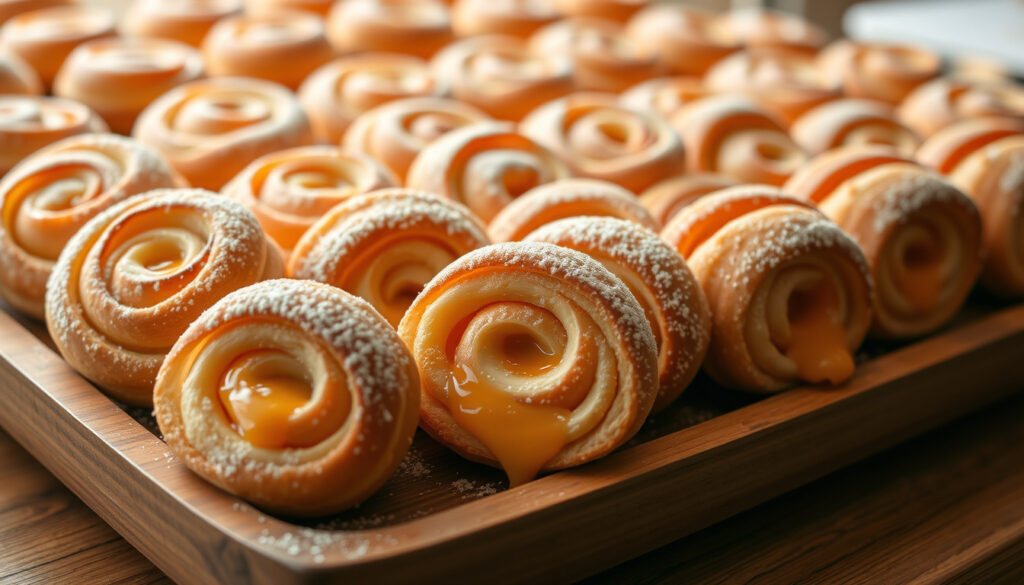
Santa Fe province holds a cherished place in Argentine culinary tradition, and at the heart of its pastry heritage stands the pionono—a delicate rolled sponge cake filled with dulce de leche that has delighted locals and visitors for generations. Whether you are searching for the best piononos in Santa Fe or exploring the province’s bakeries for authentic traditional sweets, this guide maps out the top destinations and everything you need to know about this iconic treat.
While the perfect “near me” search result depends on your exact location, travelers and food enthusiasts consistently point to a handful of establishments that uphold the highest standards of quality, flavor, and authenticity when it comes to traditional Argentine dulces.
What Are the Best Places for Piononos in Santa Fe?
The search for outstanding piononos in Santa Fe province leads to a mix of highly-rated establishments, with Rosario emerging as a particularly strong destination for quality bakeries. Reviews consistently highlight several pastelerías that have earned loyal followings through their dedication to traditional recipes and consistent execution.
Top-Rated Bakeries for Piononos
| Bakery Name | Location | Rating | Known For |
|---|---|---|---|
| Nuria Confiterías | Rosario | 4.6 (504 reviews) | Cakes, pastries, traditional dulces |
| Infinita Panadería | Rosario | 4.3 (13 reviews) | Visual appeal, texture, flavor |
| Nanette Panadería de Autor | Rosario | 4.3 (8 reviews) | French-style pastries, breakfast spot |
| Canela Panadería | Rosario | 4.3 (6 reviews) | Excellent baking, microcentro location |
| Picnic | Santa Fe | Unrated | Argentinean bakery, local dulces |
| Galletitas Zelfa | Santa Fe | Unrated | Traditional sweets, local option |
Nuria Confiterías stands out with 504 reviews and a 4.6 rating, frequently cited for its exceptional croissants and wide selection of traditional sweets. Travelers often recommend combining a pionono with coffee for an authentic experience. Infinita Panadería earns praise for the visual appeal, texture, and flavor of its baked goods, while Nanette offers a charming atmosphere with French-style influences that complement traditional Argentine offerings.
Key Insights for Finding Quality Piononos
- Most highly-rated bakeries cluster in Rosario, approximately 157-160 miles from Santa Fe city
- Traditional piononos filled with dulce de leche remain the most requested variety
- Chocolate-topped variations appeal to visitors seeking contemporary twists
- Pricing typically falls in the moderate range ($$ to $$$), with value often noted when paired with coffee
- Fresh, daily-made versions consistently receive higher marks than pre-packaged alternatives
- Bakeries with longer operating histories often maintain more authentic family recipes
What to Expect: Pricing and Availability
Exact pionono prices vary by establishment and are not consistently listed across review platforms. However, visitor feedback indicates that most bakeries operate in the moderate price range, with many recommending the combination of a pionono with coffee as excellent value. Hours fluctuate by location and day, so checking current operating times before visiting remains advisable.
Many bakeries listed show “closed” status in review databases, as hours frequently change. Cross-referencing TripAdvisor listings with Google Maps provides the most reliable current information for planning your visit.
What Is a Pionono and Why Is It Famous in Santa Fe?
A pionono is a traditional Argentine dulce consisting of a rolled sponge cake filled with dulce de leche, often finished with a layer of meringue or chocolate. The combination of the light, airy cake with the rich, caramel-like sweetness of the filling creates a distinctive treat that has become synonymous with Santa Fe province’s pastry tradition.
The Origins and History
The pionono traces its roots to 19th-century Argentina, with its name derived from Pope Pius IX, known in Spanish as Pío Nono. Historical accounts suggest the pastry was invented either in Santa Fe province or in the town of Tandil, with Santa Fe city and surrounding areas developing particularly strong associations with the treat over subsequent generations.
Family-owned pastelerías throughout the region have maintained these recipes for decades, passing them down through multiple generations. This commitment to tradition explains why many visitors report that the best piononos taste distinctly different from mass-produced alternatives—they represent living heritage rather than standardized commercial products.
While Santa Fe, Spain also produces piononos (notably from Pastelería Casa Ysla), the Argentine versions differ in style and preparation. The Argentine pionono tradition developed independently and reflects local ingredients, techniques, and flavor preferences specific to Santa Fe province and the broader Litoral region.
What Sets Santa Fe Piononos Apart
Reviews consistently highlight several characteristics that distinguish Santa Fe province piononos from other regional variations. The quality of the dulce de leche filling ranks as the most frequently mentioned factor, with traditional recipes using specific types of caramelized milk that provide depth and complexity. The sponge cake itself should maintain moisture while holding its structure during rolling and serving.
Top establishments emphasize fresh preparation, with many bakeries making their piononos daily rather than storing them for extended periods. This commitment to freshness directly impacts texture and flavor, creating a noticeably different experience compared to pastries that have been sitting for hours.
Travelers searching for “Santa Fe” bakeries should be aware that Santa Fe, Spain (in Granada province) also contains celebrated pastry shops. Pastelería Casa Ysla in Granada, for example, is famous for its piononos and appears in searches for “Santa Fe” due to the city’s name. These Spanish versions, while sharing the name, represent a separate tradition from the Argentine piononos described in this guide.
Understanding What We Know and What Remains Unclear
Current research provides substantial information about piononos and the bakeries that produce them, though certain gaps warrant acknowledgment for transparency.
| Established Information | Information That Remains Unclear |
|---|---|
| Piononos originated in 19th-century Argentina, likely in Santa Fe or Tandil | Precise city of origin remains debated among historians |
| Named after Pope Pius IX (Pío Nono) | Exact historical circumstances of the naming |
| Consist of rolled sponge cake with dulce de leche filling | Specific regional variations in recipe proportions |
| Nuria Confiterías in Rosario has highest rating (4.6) with 504 reviews | Exact pricing at most establishments |
| Santa Fe province bakeries maintain family recipes | Which specific bakeries in Santa Fe city specialize in piononos |
| Rosario contains multiple highly-rated pastry shops | Current operating hours for all listed bakeries |
The Cultural Significance of Piononos in Santa Fe
Beyond their culinary appeal, piononos represent a tangible connection to Santa Fe province’s cultural identity. Local bakeries that continue producing traditional versions using family recipes serve as custodians of regional heritage, preserving techniques and flavors that might otherwise disappear in an era of mass production.
The pastry’s association with Pope Pius IX reflects the significant role that Italian immigration played in shaping Argentine culture during the 19th century. Santa Fe province received substantial Italian immigration, and many food traditions—including the development of dulce de leche itself—emerged from this cultural exchange. The pionono thus represents not merely a sweet treat but a living artifact of immigration history and regional identity.
Visiting a traditional bakery for a fresh pionono offers more than a culinary experience; it provides insight into the values and traditions that continue to shape daily life in Santa Fe province. The continued popularity of these pastries despite changing consumer preferences suggests a deeper cultural resonance that transcends simple taste preferences.
Visitor Feedback and Recommendations
Travelers who have visited bakeries in Santa Fe province consistently emphasize several themes in their reviews. The quality of coffee served alongside piononos receives frequent mention, with many considering the combination essential to the full experience. “Excellent with coffee” appears across multiple reviews, indicating that the traditional pairing remains highly valued.
Multiple reviewers specifically highlight the superior texture and flavor of freshly made piononos compared to pre-packaged versions. Establishments that emphasize daily preparation and traditional methods consistently receive more positive feedback than those perceived as prioritizing convenience over quality.
Service quality and atmosphere also influence visitor satisfaction, though these factors vary more widely than food quality. The highest-rated establishments typically combine good food with welcoming environments and efficient service, creating an overall experience that encourages return visits and positive recommendations.
Planning Your Pionono Search
For travelers and food enthusiasts seeking the best piononos in Santa Fe province, several practical steps can improve the experience. First, determine whether your location makes Rosario or Santa Fe city more accessible, as these areas offer the strongest concentrations of traditional bakeries. Second, check current operating hours through platforms like Google Maps or TripAdvisor before visiting, as schedules may have changed since the most recent reviews were posted.
Consider visiting multiple bakeries to compare different interpretations of the traditional recipe. While all authentic piononos share common elements—the rolled sponge cake, the dulce de leche filling—subtle differences in preparation, freshness, and execution create distinct experiences worth exploring.
For those unable to visit in person, many bakeries offer take-home options, though the experience differs noticeably from enjoying a fresh pastry at the source. The moisture and texture of the cake deteriorate over time, making immediate consumption preferable when possible.
Frequently Asked Questions
Are piononos available year-round in Santa Fe?
Traditional bakeries in Santa Fe province typically offer piononos throughout the year. Since they are not seasonal items tied to specific holidays, most establishments maintain consistent availability. However, some smaller bakeries may sell out during peak periods or weekends.
What makes Santa Fe piononos unique compared to other regions?
Santa Fe province piononos are distinguished by regional variations in dulce de leche preparation, traditional family recipes passed through generations, and a commitment to fresh, daily-made products. The cultural emphasis on maintaining authentic recipes sets these pastries apart from mass-produced alternatives.
Can I find piononos at bakeries other than specialized pastelerías?
While specialized pastelerías typically offer the highest quality versions, some general bakeries and confiterías throughout Santa Fe province also produce piononos. Quality varies significantly, so checking reviews and seeking establishments with strong reputations remains advisable.
What is the typical price range for piononos in Santa Fe?
Most bakeries operate in the moderate price range ($$ to $$$), though exact prices are not consistently published. Visitors frequently mention good value when combining a pionono with coffee, suggesting that the overall experience justifies the cost for most travelers.
Are there chocolate-topped versions available?
Yes, many bakeries offer variations topped with chocolate or meringue alongside traditional versions. Reviews mention both traditional and chocolate piononos, indicating that both styles maintain popularity among locals and visitors.
How do Santa Fe piononos differ from those in Santa Fe, Spain?
While sharing the same name, Argentine and Spanish piononos represent separate culinary traditions with distinct preparations, ingredients, and cultural contexts. The Argentine versions developed from local Italian immigration influences and Santa Fe province’s specific pastry traditions.
What is the best way to find piononos near my location?
Using mapping applications with location services enabled provides the most accurate results for your specific position. Cross-referencing results with review platforms helps identify establishments that balance proximity with quality, though the strongest bakeries may require travel from your exact location.
Do bakeries offer piononos for special occasions or catering?
Many traditional pastelerías accommodate special orders for events and gatherings, though availability varies by establishment. Contacting bakeries directly remains the best approach for inquiries about custom orders or larger quantities.
More related posts
 Coin Master Free Coins – Daily Official Links
 Ramy Youssef: Biography, Ethnicity, Wife, Movies, and Career
 Who Is the Iran President? Current Role, Powers, and History
 How to Cancel Adobe Subscription: Step-by-Step Guide
 What Is a Reverse Mortgage? How It Works, Pros & Cons
 Silverback Gorilla Facts: Strength, Diet, and Behavior
 Pour Over Coffee Maker – Best 2025 Picks and Guides
 Shane Pinto Suspension, Contract, Salary, and Personal Life
